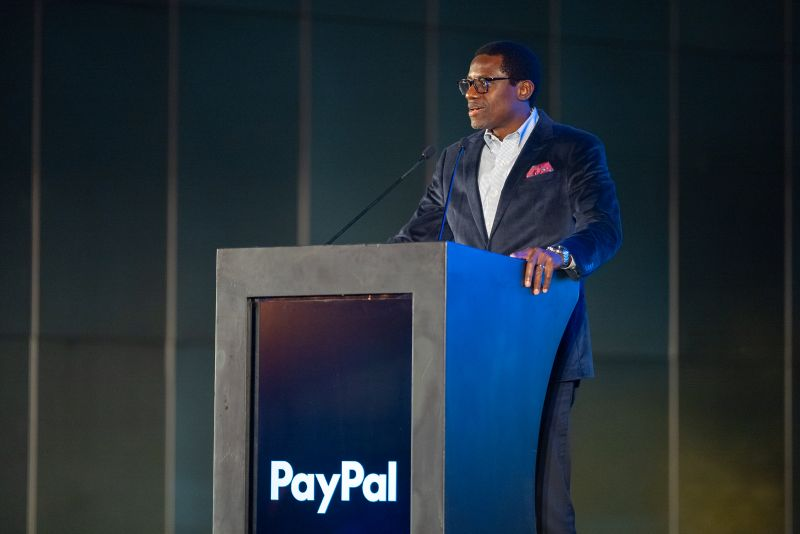
Oto Williams, PayPal’s Senior Vice President, Regional Head for the Middle East and Africa
For years, PayPal in Africa felt like a half-open door.
You could sign up. You could get paid on paper. But moving that money? It’s almost impossible. No easy withdrawals. No real access to overseas clients. Just enough functionality to remind African professionals what they were missing out on.
After sixteen years of that reality, something is changing.
PayPal is now planning to roll out PayPal World across Africa in 2026, a move that signals a shift in posture. The promise is a system designed to plug local wallets and banks into global payment flows instead of forcing Africa to fit into models that never quite worked here.
If it delivers, this could quietly reshape how freelancers, creators, and businesses get paid across borders.
But this raises the question: why now? what took so long?
Why the PayPal model struggled in Africa
PayPal’s absence in Africa stems from its core imperative: trust. In the early 2000s, the continent posed a high-risk proposition due to:
- High chargeback rates and fraudulent transactions
- Lack of robust national ID systems
- Limited availability of credit cards and bank accounts
- Weak regulatory infrastructure, making compliance with anti-money laundering laws expensive
These challenges made it difficult for PayPal to integrate Africa into its Western-centric model. Previous attempts, such as partnerships with First Bank of Nigeria (2014) and Flutterwave (2021), were seen as half-measures, failing to address the unique needs of the African market.
Meanwhile, Africa has developed its own mobile money ecosystem, with:
- Kenya’s M-Pesa processing KSh 39.39 trillion (around $300 billion) in transactions
- Africa accounting for 70% of global mobile money transaction value
- Homegrown giants like Flutterwave and Paystack filling the void left by PayPal
The new strategy for Paypal World
The 2026 strategy for PayPal World is a quiet admission that the company cannot win the “wallet war” in Africa. Instead of trying to get you to open a PayPal account, the company is now trying to be the “bridge” for the wallet you already use.
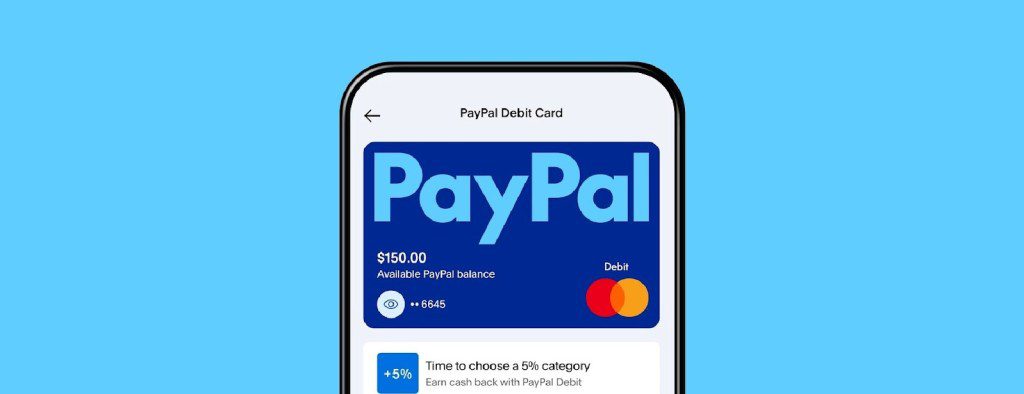
Three fundamental shifts made this viable. First, regulatory maturity has improved with systems like Nigeria’s Bank Verification Number (BVN). Second, PayPal no longer has to build from scratch, they can partner with established giants like Safaricom and MTN.
Finally, there is economic pressure. As Western markets slow down, Africa’s young, urban population represents the last major frontier for growth.
For the average user, this is a major shift. In the past, you had to move into PayPal’s “house” and follow its strict rules. If they didn’t like your activity, they locked you out. With PayPal World, they are simply building a door between your house (like M-Pesa or MTN MoMo) and the rest of the world.
About the Author